Some People in the UK high-tech market seem to believe ethics is a County just north of London. Yet business ethics is now being taught in departments of philosophy, business schools and theological seminaries. There are countless articles, conferences and books on the subject, not to mention the many earnest attempts to write business ethics into the law. But what precisely is business ethics? And what could, or should it be.
Politicians, business people and the public are concerned about the moral impact of business on society. Does the profit motive corrupt individuals? It undoubtedly can, but the dilemma raised is whether ethics are purely a matter of individual responsibility, or whether companies have a moral duty over and above that of individuals involved. If we adopt the latter view, mission and ethics are closely linked.
In Britain, ethics seem to be taken less seriously than in some other countries. Given that Japanese children are taught ethics at school and British children are not, is this an important commercial advantage being conceded to one of the world's most effective and aggressive trading nations?
In this industry the opportunities to pursue wealth are as strong as anywhere. Does this mean a certain percentage of people involved in our business will be morally corrupt because of the temptations and pressures that abound? Any of us that have been around for a while will be aware of gross misconduct by colleagues - the most well-known in the sales and marketing environment being the salesperson who falsifies orders to achieve targets and increase monetary rewards.
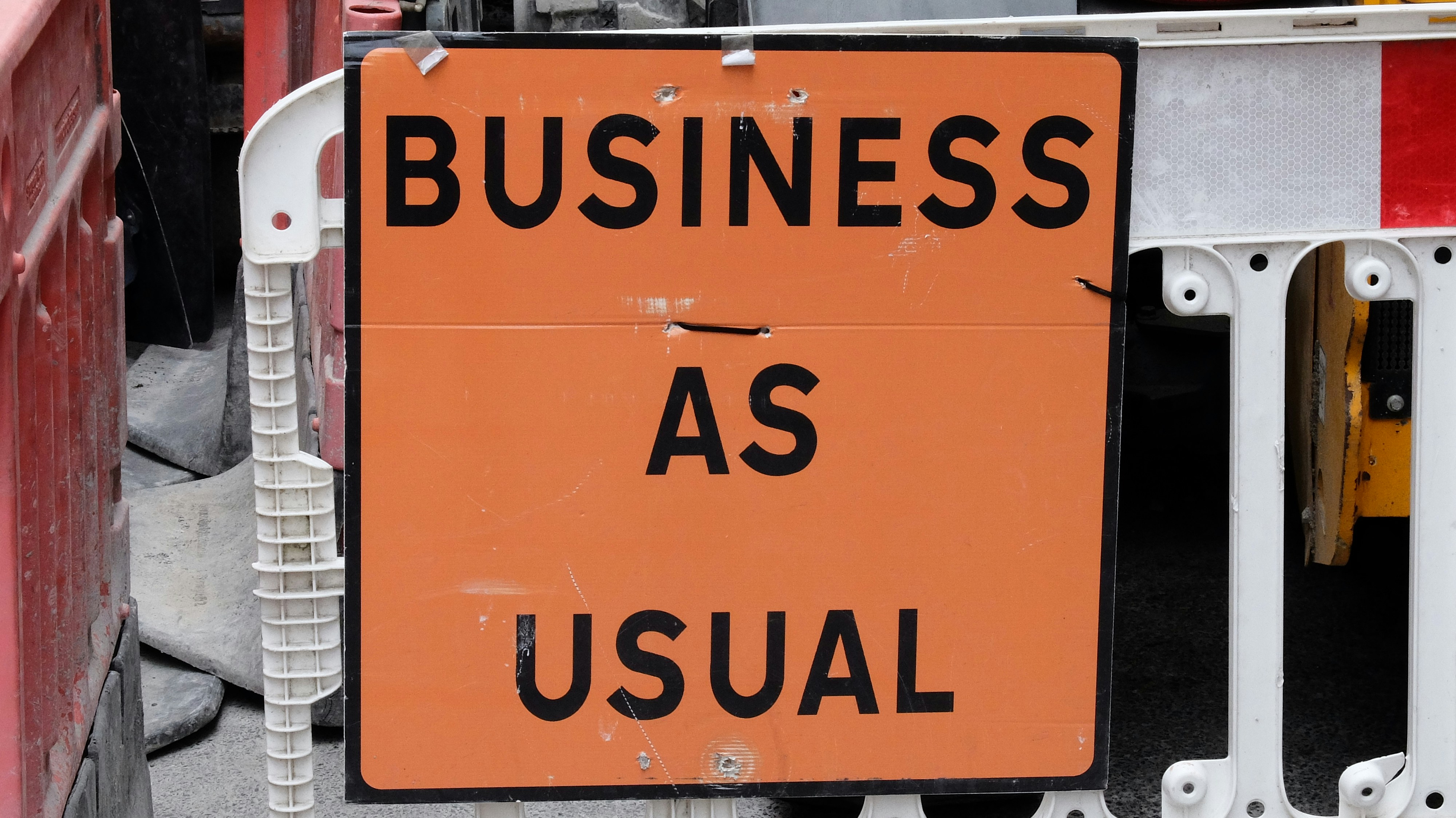
So who is responsible? There are lots of parties involved - the company, the customer, the supplier and the individual. Its easy to blame the individual and sweep up afterwards, without highlighting changes that might stop it happening again. To minimise this type of risk, companies need to prioritise this area. Its always been on the agenda, but what's new is the greater need in this swiftly changing area of business and its environmental conditions.
The components of business ethics should be inherent in the business plan of the company and its strategic and development programmes. The company's mission statement should clearly identify the role the organisation as a good corporate citizen - and the company's practices in terms of ethical conduct should stand up to examination. A company must be able to answer honestly and fairly when facing the question which is increasingly being posed: Is your company acting responsibly?
At board and working management levels, the company's attention should be focused on recognising the importance of reputation - for its products or services, its role in the community (as an employer for example). The advantages of a good reputation are clear: Others will be more willing to consider the company's viewpoint: It will make it easier to recruit and motivate staff: It will be reflected in a better share price (if it is a Public Company): A good reputation will enhance and add value to the company's products and services.

Given the increased attention to business ethics today, it is important for the company to know where it stands. The first step in finding out is to collect existing information and analyse it to determine what sort of gaps - if any - exist. Some of the following key areas should be addressed. Is the company's mission statement up to date and relevant? Does it indicate that there is an existing company code of practice and/or business ethics relevant to employees, shareholders, customers and the community? Is the mission statement understood in its markets? How is it monitored? Does the company have a system for discussing corporate responsibility at management levels? Who is responsible for ethics and corporate responsibility in the company at board level and at working management levels? Issues in sales ethics, for example will differ from those in technology or personnel relations. What is needed is a structure of leadership from the board through to the shop floor.
Who has responsibility for safety, pollution and environmental matters within the company? Does the company have a formal procedure to deal with customer or supplier companies? How is it organised? Does the company regularly track surveys on the company image and in relation to specific issues? Does the company play its full part in the affairs of the local community, of its business sector and the industry overall? What methods of communication does the company use to ensure there is an even, two-way flow of communication between the board and employees? Does the company help its employees understand matters affecting them personally, such as money management, health and safety and development skills? Does it acknowledge personal effort both in the company and in a wider personal sense?
A code of business ethics is a practical approach to sensible company management. The so-called moral concerns of society can be a realistic basis for doing a job well, so that the company and its constituent parts all thrive to their mutual collective benefit. Recognised "good manufacturing practices" have been used in productive industry for many years. They result in better business and improved profit. Good company ethics is the non-technological counterpart.